Know what the news means for your travel cover.
When flights are grounded or storms hit, headlines create panic. HiCaleb reads travel news and official warnings every 6 hours and filters them down to what matters: what happened, whether it is still active, and what it may mean for your cover.
General information only. Not advice. Check your policy wording.
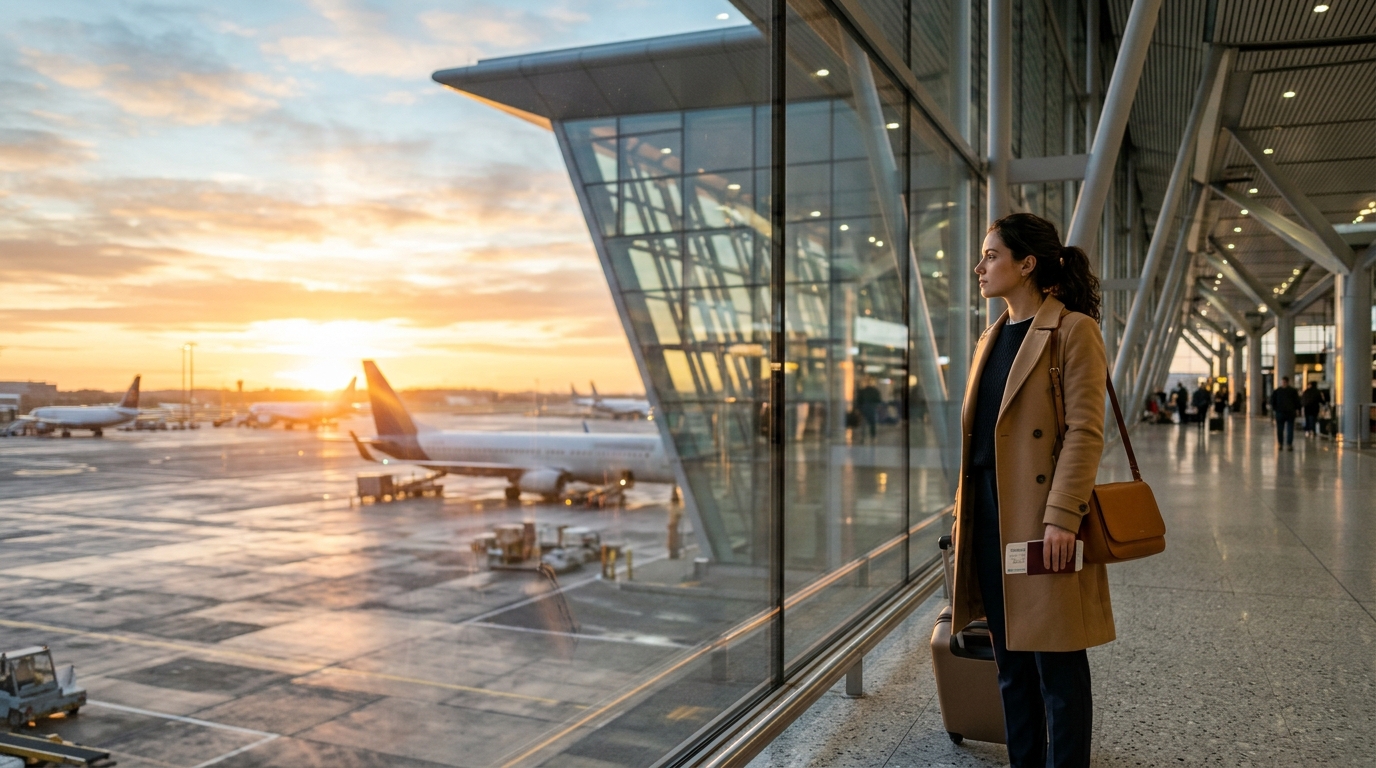
The Known-Event Rule
✕Noise: Panic-buying insurance after the news breaks.
✓Signal: Insurers commonly exclude events already in the news. Buy cover when you book flights.
What creates panic
- ✕ Sensationalised media headlines & airport rumors
- ✕ 60-page PDF policy wording that nobody reads
- ✕ Assuming the airline will cover your non-refundable hotel
What actually protects you
- ✓ Smartraveller alerts and official notices, with sources linked
- ✓ The date an event was first reported, so you can compare it to your purchase date
- ✓ Plain-English receipt rules & claim action checklists
Latest Disruption Briefs
- 5 Novactive
- 3 Novactive
- 4 Novactive
Thousands of headlines. A handful of signals.
AI reads the news every 6 hours so you do not have to.
Read
Scans news and official government warnings around the clock, so nothing is missed because nobody was awake.
Group
Merges duplicate stories into one structured event, so ten articles about the same eruption or strike count once.
Score
Rates severity and confidence, then fades events as they cool down with category-specific half-life decay.
See what is active right now
Live Disruption Level by destination, updated every 6 hours. Shaded choropleth world map and real-time scatter pins correlated with policy exclusion cutoffs.
Essential Policy Guides
Plain-English breakdowns for Australia's favourite holiday destinations.
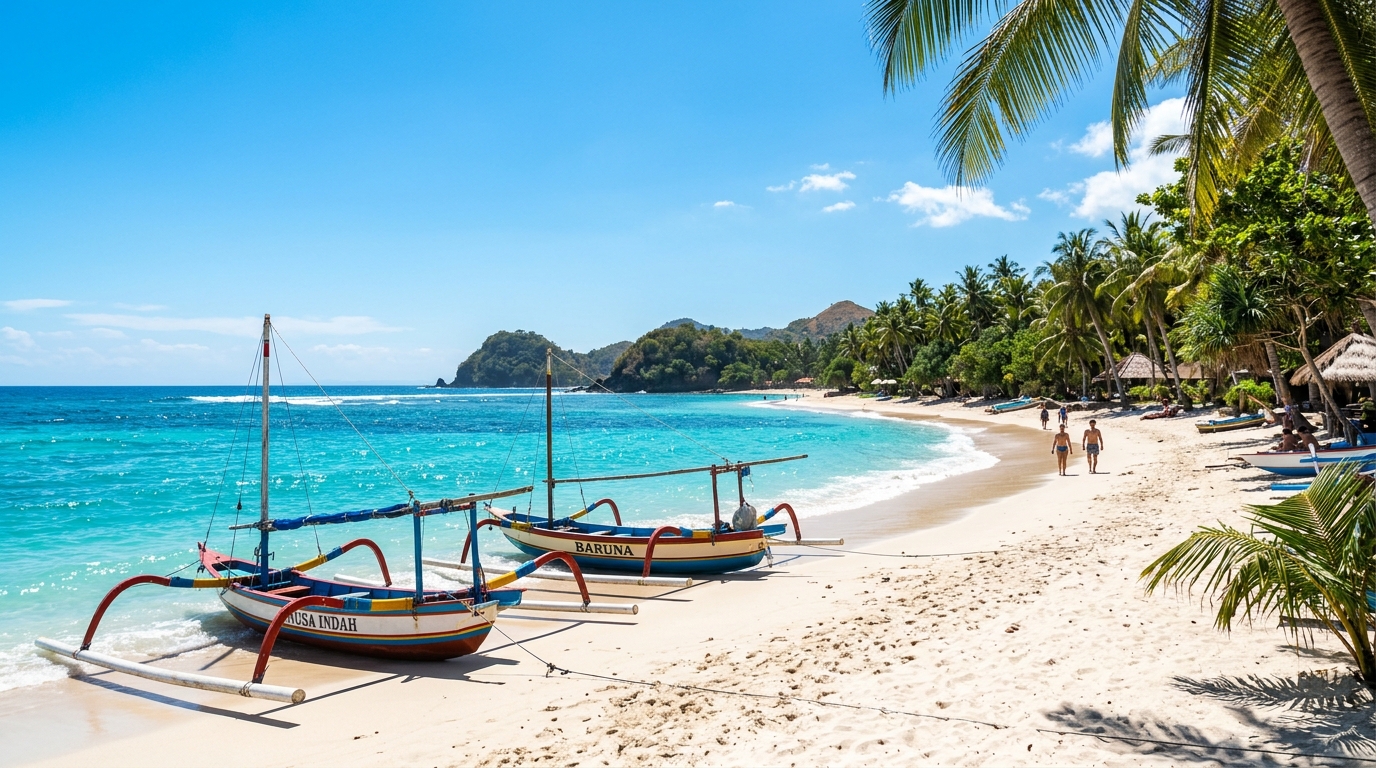 Indonesia
Bali Travel Insurance
Scooter licence rules, volcanic ash delays, and private hospital costs in Canggu.
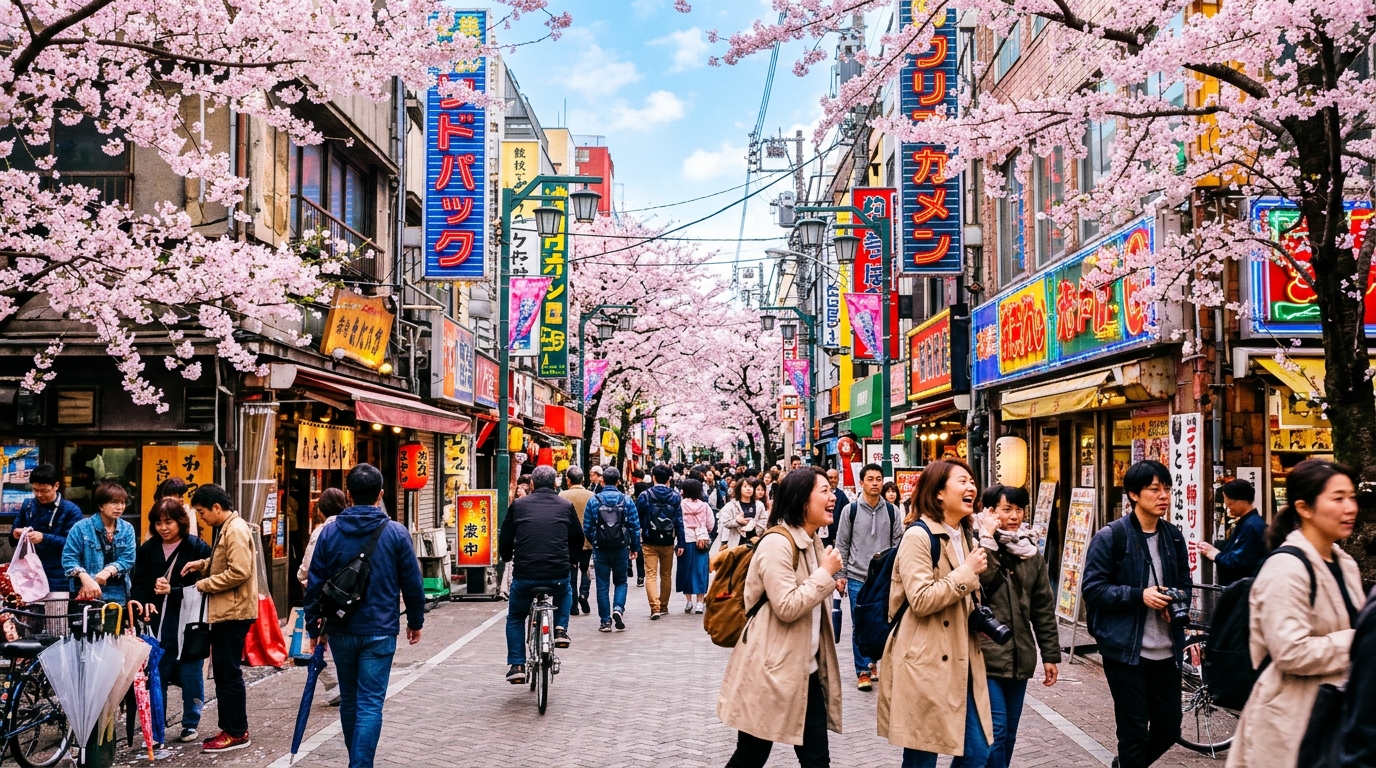 Japan
Japan Travel Insurance
Hakuba & Niseko snow sports cover, bullet train delays, and clinic payments.
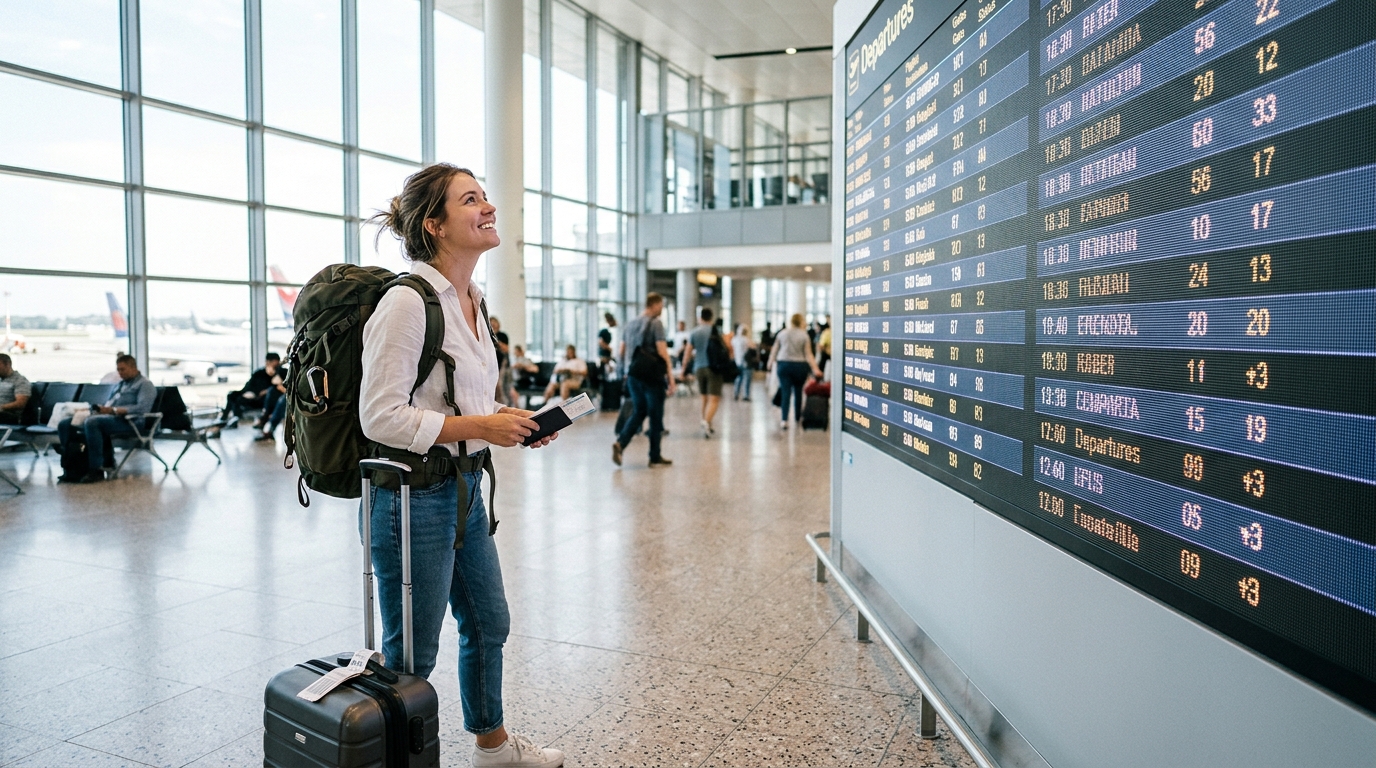 Comparison
Credit Card vs Standalone
Activation spend criteria, higher excess fees, and luggage sub-limits compared.
 Sea Travel
Cruise Travel Insurance
Why Medicare stops at the harbour and how medical evacuations work at sea.
Frequently Asked Questions
Clear answers on policy rules, known events, and how this platform works.
Will travel insurance pay for a flight on another airline if mine is cancelled?
Airlines usually need to re-route or issue vouchers first. Insurers generally reimburse only unrecoverable out-of-pocket costs after the carrier has formally refused or exhausted alternatives.
What is the "Known Event" rule?
Many insurers exclude events that were already publicly reported before you bought cover. Insurers compare your purchase date against the earliest news bulletin or official government advisory.
Does Medicare cover cruises in Australian waters?
No. Once a ship leaves port, ship doctors are classified as private overseas practitioners. Check Medicare's current guidance—cruise cover is essential even on domestic trips.
Keep itemised receipts: why do credit card slips get rejected?
Credit card transaction receipts show the total amount charged but not what was purchased. Australian insurers require itemised tax invoices showing hotel names, room nights, and GST/VAT itemisations.
How does HiCaleb decide what counts as an active event?
Our AI groups multiple news reports into a single event and assigns a category-specific half-life (e.g. 7 days for volcanoes, 3 days for strikes). Events automatically decay and resolve unless fresh reports appear.
How often is the Risk Radar updated?
The automated pipeline runs every 6 hours, scanning official government travel advisories and aviation news feeds.
Can I rely on this to know if I am covered?
No. This site provides general risk information only. Coverage depends strictly on your individual insurer's Product Disclosure Statement (PDS) and Target Market Determination (TMD).
How is AI used on this site, and how accurate is it?
AI summarizes news feeds, merges duplicates, and tracks event lifecycles under low temperature parameters. All briefings cite original sources so you can verify the underlying reporting.